The Entryway: The First Welcoming Space That Shapes the Impression of Your Home
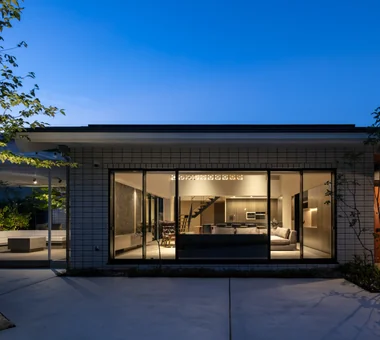
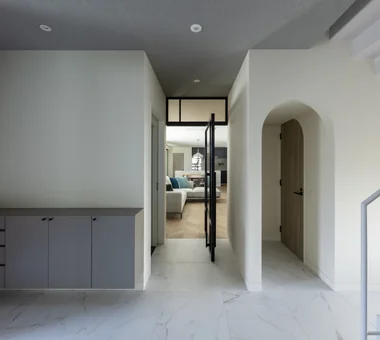
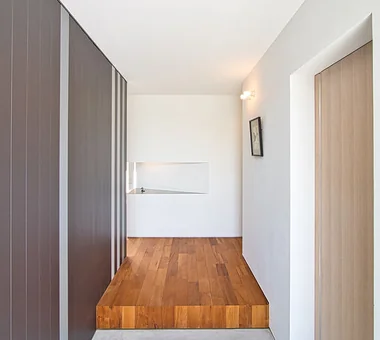
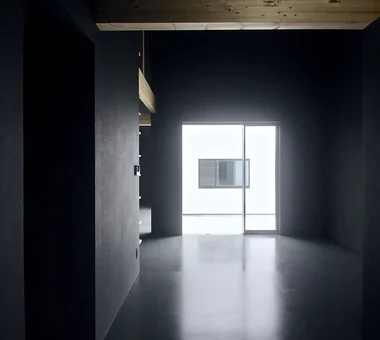
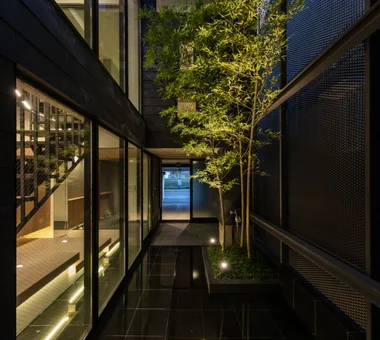
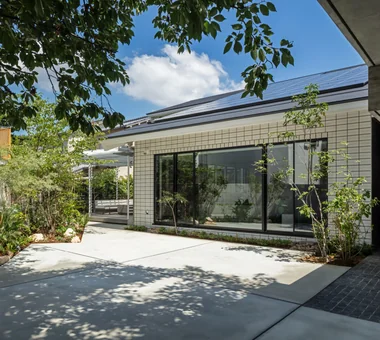
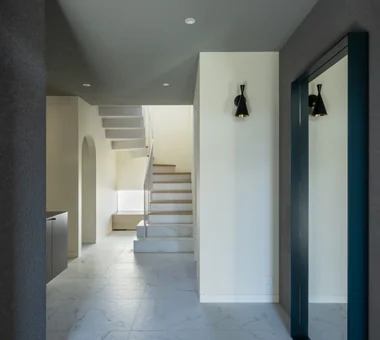
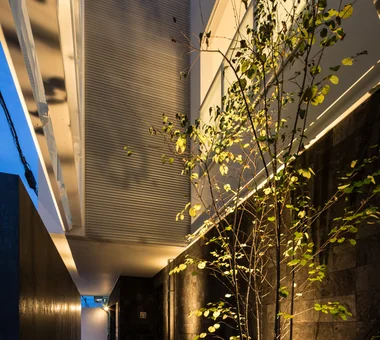
In a hotel-style home, the entryway is considered not merely a place for entering and leaving, but a space that creates the first impression of the home. By incorporating indirect lighting or artwork within the sightline and coordinating the flooring and wall materials with those used inside, the view naturally extends from the entryway toward the back of the home, creating a calm atmosphere. Store shoes and everyday items in dedicated storage to help keep the space looking neat and uncluttered.
Organize guest and family circulation paths to keep everyday clutter out of sight.
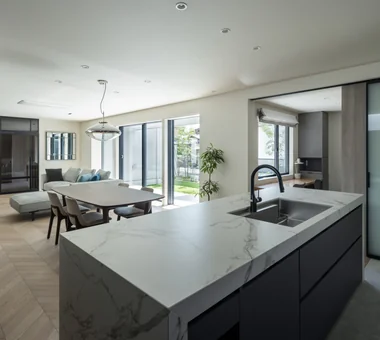
To create a refined, hotel-like atmosphere, it is important to clearly separate the areas visible to guests from those used routinely by the family. In addition to the circulation path from the entryway to the living room, providing convenient access to storage, the washroom, and the kitchen makes it easier to keep the signs of everyday living out of sight. It is important to consider not only how the home appears when guests visit, but also how easy it is for the family to use on a daily basis.
Layer lighting to create a hotel-like sense of calm through varying levels of light.
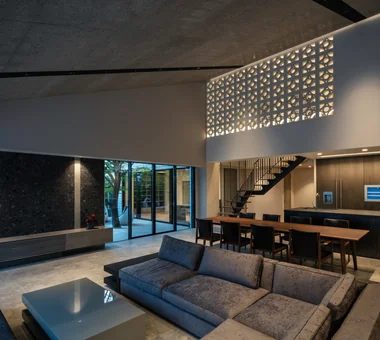
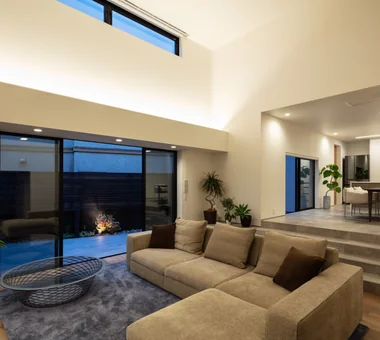
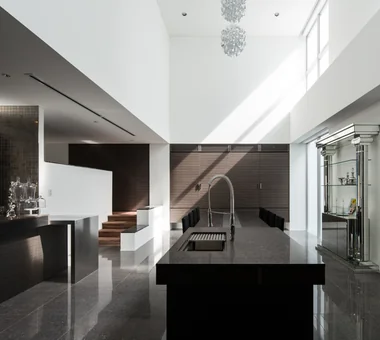
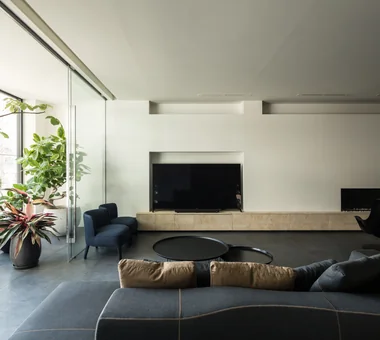
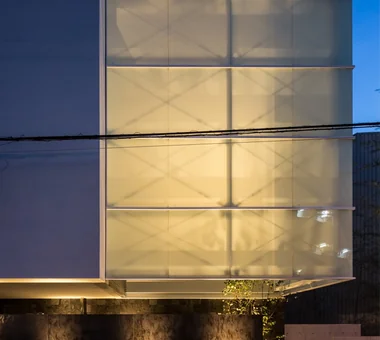
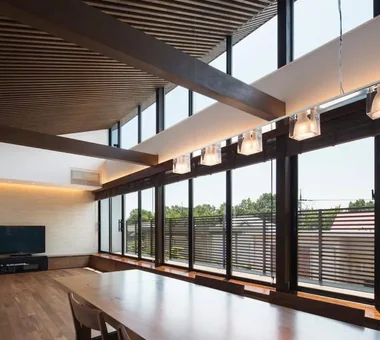
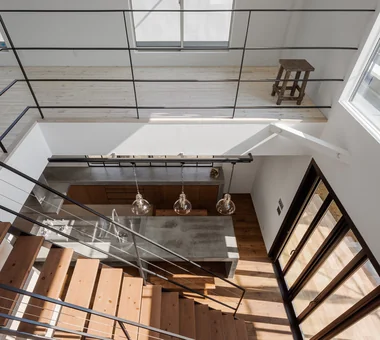
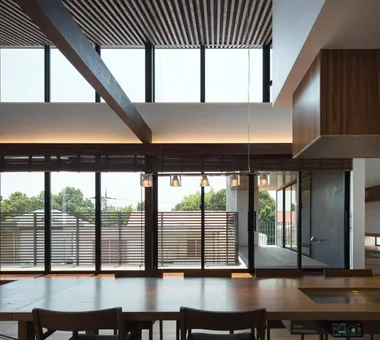
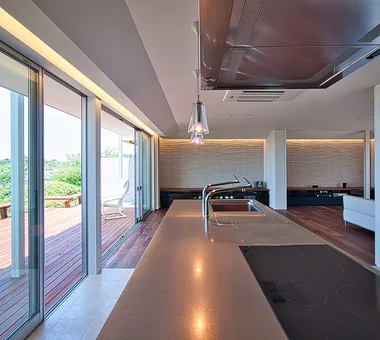
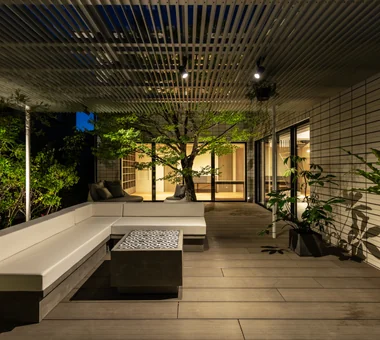
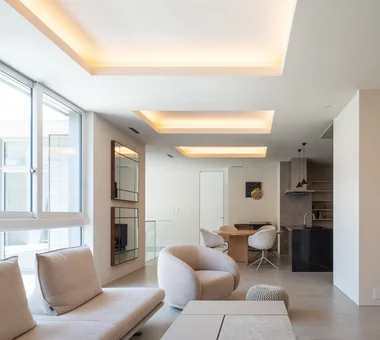
To create the calm, refined atmosphere of a hotel, it is not enough to illuminate the entire room evenly. Combine ceiling lighting with indirect lighting that illuminates the walls and ceiling, as well as lights that illuminate furniture and the floor around your feet, to create variation in the intensity of the light. By incorporating dimming and color-tuning functions, you can create a lighting environment suited to the time of day and the intended use.
Organize Materials and Tones to Create a Cohesive Overall Space
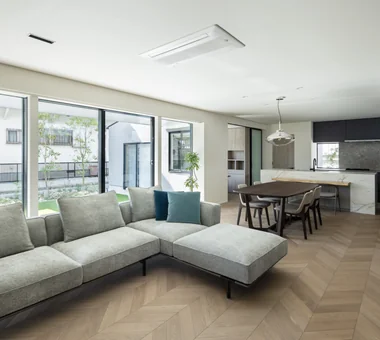
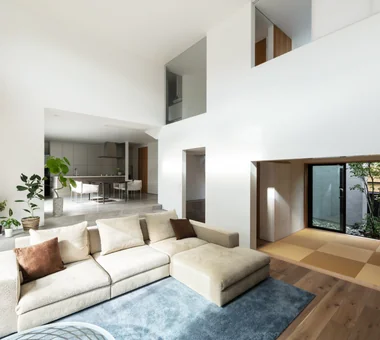
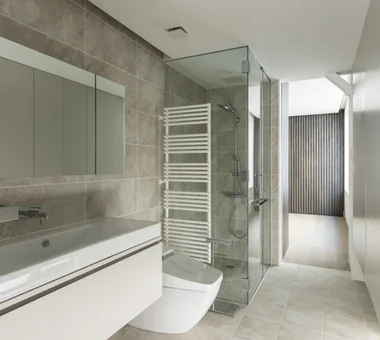
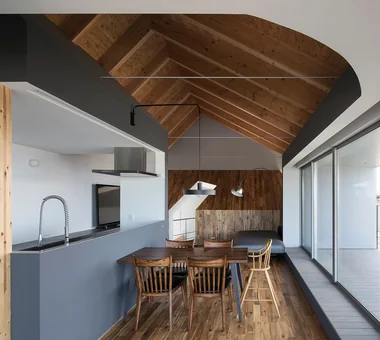
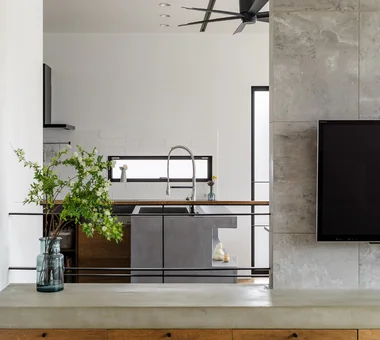
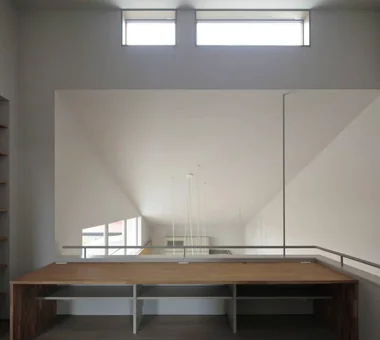
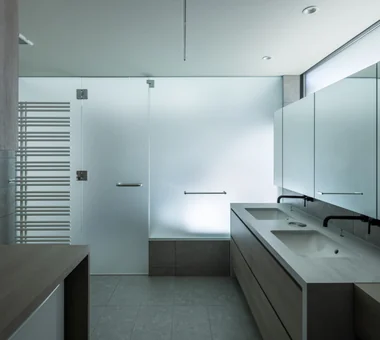
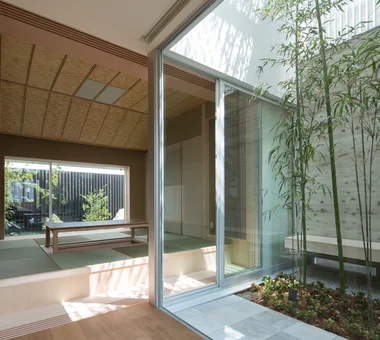
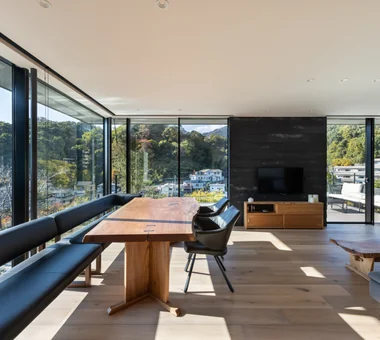
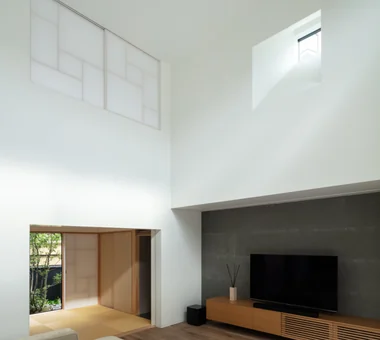
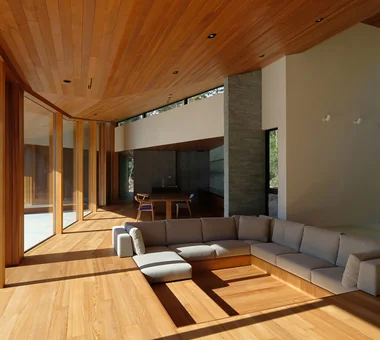
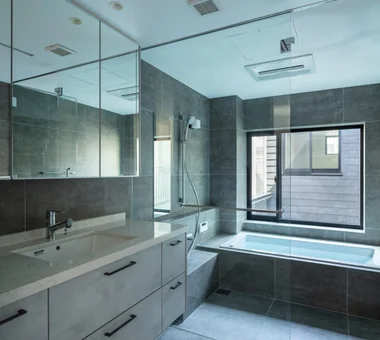
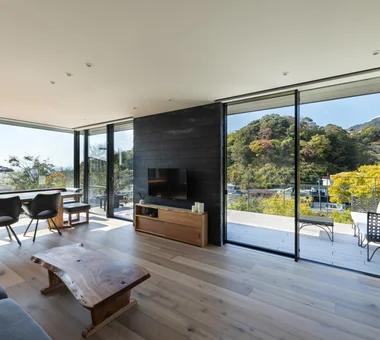
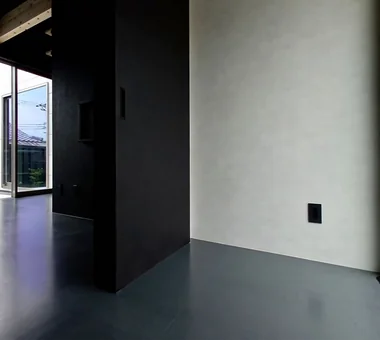
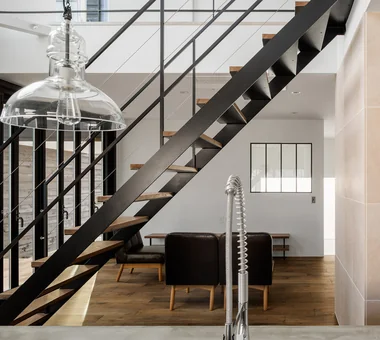
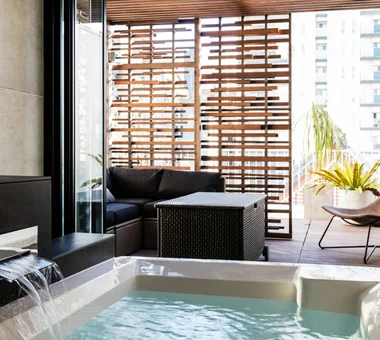
In a hotel-inspired space, it is more effective to organize the colors and textures of the flooring, walls, ceiling, and built-in furniture than to use a wide variety of materials. Even when combining stone, wood, plaster, and metal, designate a primary material and coordinate the tones and textures. Carefully planning where materials transition also allows the furniture and lighting to stand out beautifully.