Tatsumi Negishi Architectural Studio
A House to Live with Books|Home Building Q&A
Author: Qurasuki Editorial Department
In book-centric homes, book ownership volumes and reading styles drastically alter residential relationships. Desired spatial characters diverge between long-term storage of massive libraries versus keeping daily reads close. Book placement roles shift between solitary quiet reading and distributed family reading spots. Physical book versus e-book management and future library growth are home-building topics. Environmental factors like sunlight and humidity for long-term preservation vary by lifestyle. We organize questions common in book-centric homes through reading styles and library engagement.
What are the benefits of scattering reading spaces throughout a home?
By incorporating small reading nooks in various locations around the house—such as by a living room window, beside a bedroom bed, or on a stair landing—you can enjoy reading to match your mood and the time of day. Rather than consolidating all functionality into a single study, this approach allows the rhythm of reading to naturally dissolve into everyday life. Combining appropriate lighting and furniture for each specific spot creates an even more comfortable reading environment.
How should lighting suitable for reading be planned room by room?
The fundamental approach is to provide task lighting that sufficiently illuminates the reading surface. Choosing light sources with a high color rendering index makes text easier to read and reduces strain on the eyes. Planning dedicated reading light separately from the overall ambient lighting of the space creates an environment where you can calmly immerse yourself in the world of a book.
Is it possible to give the living room the atmosphere of a book café?
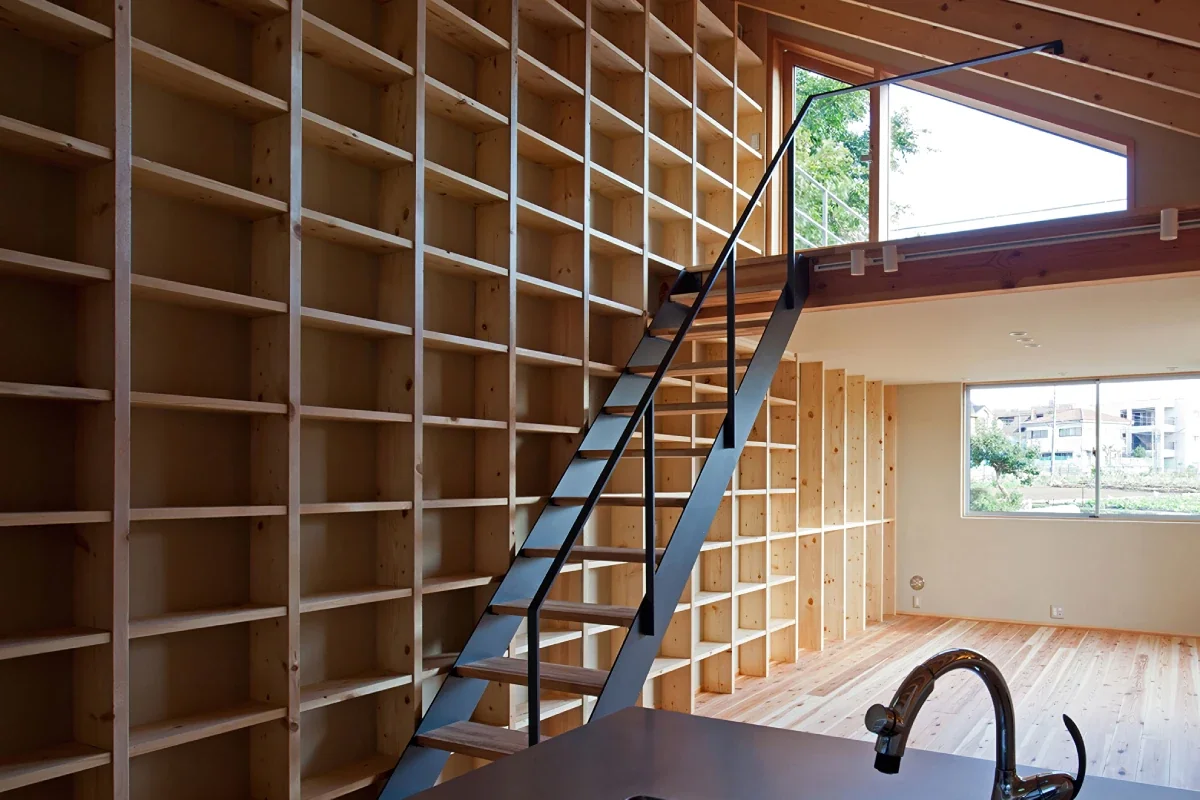
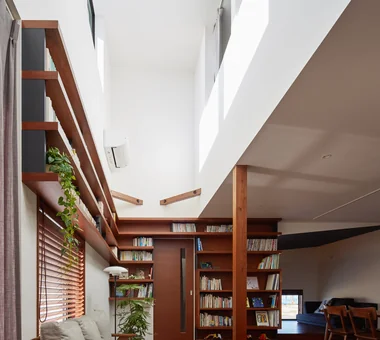
By installing wall-to-wall bookshelves or display shelving and arranging sofas or lounge chairs nearby, you can create a calm, book café-like space. Combining indirect lighting produces an even warmer atmosphere. Adding a side table to enjoy your favorite beverage makes the reading experience all the more enriching.
What工夫 (design considerations) help make the management and organization of a collection of books easier?
Adopting adjustable shelving and a configuration that makes it easy to organize by genre or author makes it easier to accommodate a growing book collection. Storing books that you read frequently separate from those kept for archiving also improves usability. Anticipating future increases in your collection and planning storage with a little extra capacity is equally important.
What home design considerations support a lifestyle that enjoys both e-books and physical books?
Combining bookshelves for physical books with a reading space tailored for tablets and e-reader devices allows you to enjoy the unique appeal of both mediums. It is convenient to provide electrical and USB outlets near the reading corner. This results in a home that seamlessly balances the tactile texture unique to physical books with the convenience of e-books.
What considerations are helpful in a space designed for reading together with children?
By providing low bookshelves tailored to a child's eye level in a corner of the living room, you can help foster a habit of choosing books independently. Providing a bench or cushion space where parents and children can sit side by side enriches the storytelling time. Adjustable shelving that can be reconfigured as children grow is also effective.
Is it possible to incorporate mini-bookshelves in an entryway or hallway?
Utilizing entry niches or hallway wall surfaces allows you to express a lifestyle surrounded by books even within limited spaces. Displaying your favorite books and photography collections creates a space that reflects the unique personality of the home. Consideration must be given to depth and placement so as not to obstruct passage.
What considerations enhance the enjoyment of reading in the bedroom?
Providing reading lamps bedside allows you to comfortably enjoy pre-sleep reading time. Having a small shelf or side table where you can place a book in progress is convenient. Choosing warm, soft lighting tones allows you to enjoy reading while maintaining a relaxed atmosphere.
What environmental considerations are necessary when storing secondhand or rare books?
Because books are vulnerable to humidity and direct sunlight, storing them in well-ventilated areas shielded from solar radiation is fundamental. A residential environment where indoor temperature and humidity remain stable is also well-suited for book preservation. For rare books, establishing a dedicated storage space is likewise effective.
What points should be considered when creating a reading corner by a window?
While windows are attractive locations that leverage natural light, using sheer curtains or UV-cutting glass provides peace of mind by preventing books from fading. Combining a comfortable chair with auxiliary lighting ensures comfort even over extended periods. An arrangement that allows you to read while gazing out at a garden or streetscape brings a rich sense of negative space to daily life.
How should a bookshelf intended to be shown off to guests be designed?
Positioning bookshelves where they are visible from the living room or entryway allows you to naturally express the personality and values of the home. Methods such as displaying beautifully bound books or photography collections with their covers facing outward are also effective. An orderly, well-organized bookshelf lends an intellectual and refined impression to the entire space.
How should storage planning be approached with the assumption that book collections will expand in the future?
It is important to plan storage capacity anticipating not only the current volume of books but also future growth. Adopting adjustable shelving allows you to flexibly respond to changes in book sizes and quantities. Maintaining extra capacity in other rooms or storage areas also facilitates long-term management.
How can the quietness necessary for concentration on reading be secured throughout the entire home?
Positioning reading spaces slightly away from areas where family activity concentrates creates an environment where you can quietly face a book. Adopting sound-insulating joinery and interior materials as needed is also effective. Incorporating an environment where greenery or the sky is visible outside the window creates a visually serene space.
What perspectives should guide storage planning that anticipates the rotation or sale of books?
Rather than assuming all books will be kept indefinitely, storage planning that anticipates periodic culling is also effective. Providing a space where books scheduled to be retired can be temporarily stored simplifies management. Flexible storage planning premised on the circulation of book collections leads to bookshelf creation that remains comfortable for the long term.
What is important to communicate at the initial design stage when building a home for a book lover?
It is important to specifically communicate your current book volume, projected future increases, and where you would like to enjoy reading. The way the space is crafted changes depending on whether you want to read while spending time with family in the living room or immerse yourself in quiet reading alone. Aiming for a home where reading naturally breathes as part of daily life, planning must encompass both storage and places to sit.





 House with a Natural Woodland Garden|Key Points for Home Building
 A Home for Living with Antiques|Introduction to Examples by Floor Plan & Room Type
 House of Wood|Home Building Q&A
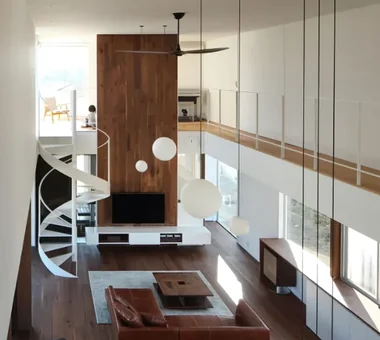 Stylish Atriums|Key Points for Home Building
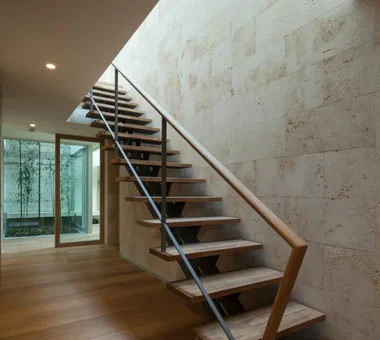 Stylish Staircases|Home Building Q&A
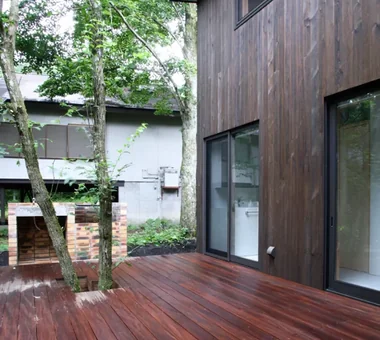 House with a Wood Deck|Home Building Q&A